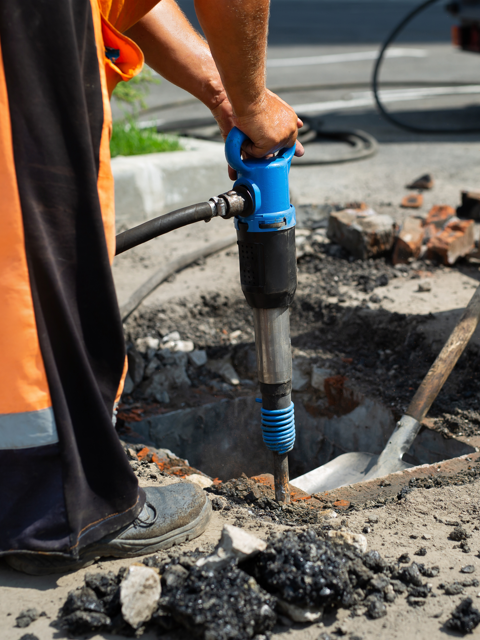
The construction and demolition industry continues to evolve with advanced equipment designed to enhance productivity and reduce operational costs. Among the most essential tools in this sector, the pneumatic breaker stands out as a versatile and powerful solution for breaking concrete, asphalt, and other hard materials. As we approach 2026, understanding the latest pneumatic breaker models and their capabilities becomes crucial for contractors, construction managers, and equipment procurement specialists who need reliable performance in demanding applications.
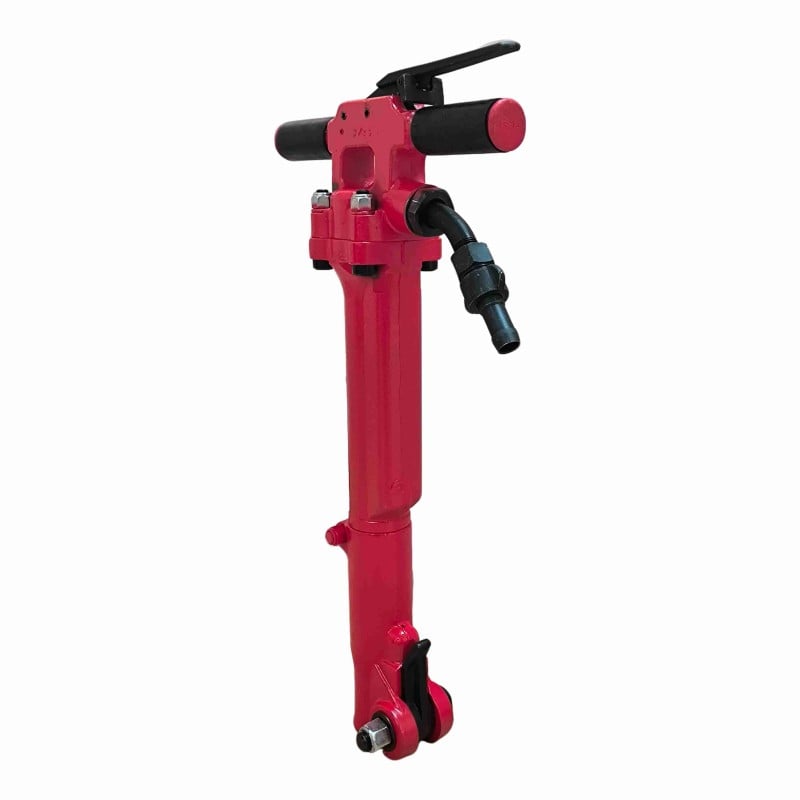
Modern pneumatic breaker technology has advanced significantly, incorporating improved air consumption efficiency, reduced vibration levels, and enhanced durability features. These improvements directly translate to lower operational costs, increased worker safety, and extended equipment lifespan. The selection process for the right pneumatic breaker involves careful consideration of multiple factors including impact energy, operating weight, air consumption requirements, and specific application needs.
Understanding Pneumatic Breaker Technology
Core Operating Principles
The pneumatic breaker operates through compressed air systems that drive a heavy piston against a chisel or moil point. This repetitive impact action creates the breaking force necessary to fracture concrete, rock, and other hard materials. The efficiency of this process depends on several key factors including air pressure, impact frequency, and the mass of the striking mechanism. Modern designs optimize these parameters to maximize breaking efficiency while minimizing operator fatigue.
Advanced pneumatic breaker models feature sophisticated valve systems that control air flow and timing with precision. These systems ensure consistent impact delivery while reducing air waste and operational noise. The integration of anti-vibration technology further enhances operator comfort and reduces the risk of repetitive strain injuries commonly associated with prolonged breaker operation.
Impact Energy Classifications
Pneumatic breaker models are typically classified by their impact energy output, measured in joules or foot-pounds. Light-duty models typically deliver 30-60 joules, suitable for precision work and smaller concrete removal tasks. Medium-duty pneumatic breaker units provide 60-100 joules, ideal for general demolition and pavement breaking applications. Heavy-duty models exceed 100 joules, designed for large-scale demolition and challenging materials like reinforced concrete.
The relationship between impact energy and breaking efficiency is not linear, as factors such as chisel design, material hardness, and operator technique significantly influence performance. Professional contractors often maintain multiple pneumatic breaker models to match specific job requirements, ensuring optimal productivity across diverse project types.
Key Performance Specifications
Air Consumption and Efficiency
Air consumption represents one of the most critical specifications when evaluating pneumatic breaker options. Efficient models minimize compressed air usage while maintaining consistent impact performance, directly affecting operational costs. Modern pneumatic breaker designs incorporate variable valve timing and optimized cylinder geometry to achieve superior air efficiency ratios.
The relationship between air pressure requirements and impact performance varies among different pneumatic breaker models. Most professional-grade units operate optimally between 90-100 PSI, though some specialized models may require higher pressures for maximum performance. Understanding these requirements ensures proper compressor sizing and optimal equipment matching for specific applications.
Weight and Ergonomic Considerations
Operating weight significantly impacts operator fatigue and overall productivity during extended use periods. Lightweight pneumatic breaker models, typically ranging from 25-35 pounds, offer excellent maneuverability for overhead work and precision applications. Medium-weight units between 35-50 pounds provide a balance of power and handling characteristics suitable for most general applications.
Ergonomic design elements including handle configuration, vibration dampening systems, and grip materials directly influence operator comfort and safety. Advanced pneumatic breaker models incorporate anti-vibration handles and optimized center of gravity positioning to reduce operator stress during extended operation periods.
Application-Specific Selection Criteria
Concrete and Masonry Applications
Concrete removal and modification tasks require pneumatic breaker models with specific characteristics tailored to material properties and job requirements. Standard concrete applications typically benefit from medium-impact pneumatic breaker units with pointed chisels for efficient crack propagation. Reinforced concrete demands higher impact energy and specialized cutting chisels designed to handle steel reinforcement without binding.
Precision concrete work, such as utility trenching or selective removal, requires lightweight pneumatic breaker models with excellent control characteristics. These applications prioritize maneuverability and operator feel over raw breaking power, making ergonomic design and vibration control paramount considerations in the selection process.
Pavement and Asphalt Breaking
Asphalt and pavement breaking presents unique challenges that influence pneumatic breaker selection criteria. The layered nature of modern pavement structures requires tools capable of efficiently cutting through different material densities without excessive wear. Heavy-duty pneumatic breaker models with broad chisels typically provide optimal performance for large-scale pavement removal projects.
Maintenance and repair operations often require more precise control, favoring medium-duty pneumatic breaker units with variable impact settings. The ability to adjust breaking intensity helps prevent damage to underlying utilities or structural elements while maintaining productive removal rates.
Maintenance and Operating Cost Considerations
Scheduled Maintenance Requirements
Proper maintenance scheduling directly impacts pneumatic breaker reliability and total cost of ownership. Daily maintenance includes lubrication of moving parts, air filter inspection, and chisel condition assessment. Weekly procedures typically involve detailed cleaning, fastener torque verification, and compressed air system checks to ensure optimal performance.
Long-term maintenance requirements vary among different pneumatic breaker designs, with some models featuring sealed bearing systems and extended service intervals. Understanding these requirements during the selection process helps establish realistic operating budgets and maintenance scheduling protocols for optimal equipment utilization.
Parts Availability and Service Support
Service support infrastructure plays a crucial role in pneumatic breaker selection decisions, particularly for contractors operating in remote locations or demanding continuous operation schedules. Established manufacturers typically provide comprehensive parts availability and technical support networks, ensuring minimal downtime during maintenance or repair situations.
Standardized components and interchangeable parts systems can significantly reduce inventory requirements and simplify maintenance procedures. Many professional contractors prioritize pneumatic breaker models from manufacturers offering extensive service networks and rapid parts delivery capabilities to minimize operational disruptions.
Safety Features and Operator Protection
Vibration Control Systems
Advanced vibration control represents a critical safety feature in modern pneumatic breaker designs. Excessive vibration exposure can lead to serious health conditions including Hand-Arm Vibration Syndrome (HAVS), making effective vibration reduction essential for operator safety. Contemporary pneumatic breaker models incorporate multiple vibration reduction technologies including dampened handles, balanced striking mechanisms, and isolation mounting systems.
Regulatory compliance requirements increasingly mandate specific vibration exposure limits, making vibration-controlled pneumatic breaker selection essential for legal compliance and worker protection. Professional-grade models typically feature vibration levels well below regulatory thresholds, enabling extended operation periods without exceeding exposure limits.
Noise Reduction Technologies
Noise reduction capabilities have become increasingly important in urban construction environments where sound ordinances and community relations require consideration. Modern pneumatic breaker designs incorporate muffled exhaust systems, optimized valve timing, and sound-dampening materials to reduce operational noise levels significantly compared to conventional models.
The implementation of noise reduction technologies in pneumatic breaker designs often provides additional benefits including improved air efficiency and reduced maintenance requirements. These integrated approaches to noise control demonstrate the evolution toward more environmentally conscious equipment design in the construction industry.
Cost-Benefit Analysis and ROI
Initial Investment Considerations
The initial cost of pneumatic breaker equipment varies significantly based on performance specifications, build quality, and manufacturer reputation. Professional-grade models typically command higher initial prices but offer superior durability, efficiency, and safety features that provide long-term value. Careful analysis of project requirements and expected utilization helps determine the appropriate investment level for specific operational needs.
Financing options and equipment leasing programs can make higher-performance pneumatic breaker models accessible to smaller contractors while preserving capital for other business investments. These arrangements often include maintenance packages and upgrade options that provide additional value and operational flexibility.
Operational Efficiency Metrics
Measuring operational efficiency requires consideration of multiple factors beyond initial equipment cost. Productive pneumatic breaker models demonstrate superior breaking rates, reduced air consumption, and lower maintenance requirements that translate directly to improved project profitability. Tracking metrics such as cubic yards removed per hour, air consumption per unit of work, and maintenance costs per operating hour provides objective data for equipment evaluation.
Advanced pneumatic breaker models often demonstrate significant efficiency advantages that justify higher initial investments through reduced operational costs and improved productivity. These benefits become particularly pronounced in high-utilization environments where small efficiency improvements compound into substantial cost savings over time.
Future Technology Trends
Smart Technology Integration
The integration of smart technologies into pneumatic breaker designs represents an emerging trend that promises to enhance operational efficiency and equipment management capabilities. IoT sensors and data logging systems can provide real-time performance monitoring, predictive maintenance alerts, and utilization tracking that optimize equipment deployment and maintenance scheduling.
Remote monitoring capabilities allow fleet managers to track pneumatic breaker performance across multiple job sites, identifying optimization opportunities and potential issues before they impact productivity. These technologies support data-driven decision making and help maximize return on equipment investments.
Environmental Sustainability Initiatives
Environmental considerations increasingly influence pneumatic breaker design and selection criteria. Manufacturers are developing more efficient models that reduce compressed air consumption, minimize noise pollution, and incorporate recyclable materials in construction. These sustainability initiatives align with broader industry trends toward environmentally responsible construction practices.
The development of electric and battery-powered alternatives to traditional pneumatic breaker systems represents another significant trend, particularly for indoor applications or environments where air compressor operation is impractical. While these alternatives may not yet match the power levels of pneumatic systems, continued development is rapidly closing performance gaps.
FAQ
What factors should I consider when selecting a pneumatic breaker for my specific application
The selection process should prioritize matching impact energy to material hardness, considering operator comfort through weight and vibration characteristics, evaluating air consumption requirements against available compressor capacity, and assessing maintenance requirements and parts availability. Additionally, consider the frequency of use, working environment constraints, and specific performance requirements such as precision versus productivity needs.
How do I determine the appropriate impact energy for my pneumatic breaker needs
Impact energy requirements depend primarily on material density and thickness. Light concrete and masonry typically require 30-60 joules, while standard reinforced concrete needs 60-100 joules. Heavy demolition of thick reinforced concrete or rock may require over 100 joules. Consider starting with medium-range models for versatility, then adjusting based on actual performance requirements and productivity goals.
What maintenance practices will maximize my pneumatic breaker lifespan and performance
Implement daily lubrication routines according to manufacturer specifications, maintain proper air pressure and filtration systems, inspect and rotate chisels regularly to prevent excessive wear, and perform scheduled component replacements before failure occurs. Keep detailed maintenance records to identify patterns and optimize service intervals, and ensure operators receive proper training to prevent misuse that can accelerate wear.
How can I minimize operational costs while maintaining pneumatic breaker performance
Focus on air efficiency by selecting models with optimized consumption rates, maintain proper compressor sizing to avoid energy waste, implement preventive maintenance schedules to avoid costly repairs, and train operators in proper techniques to maximize productivity and minimize wear. Consider total cost of ownership including initial price, operating costs, maintenance requirements, and resale value when making purchasing decisions.

 EN
EN