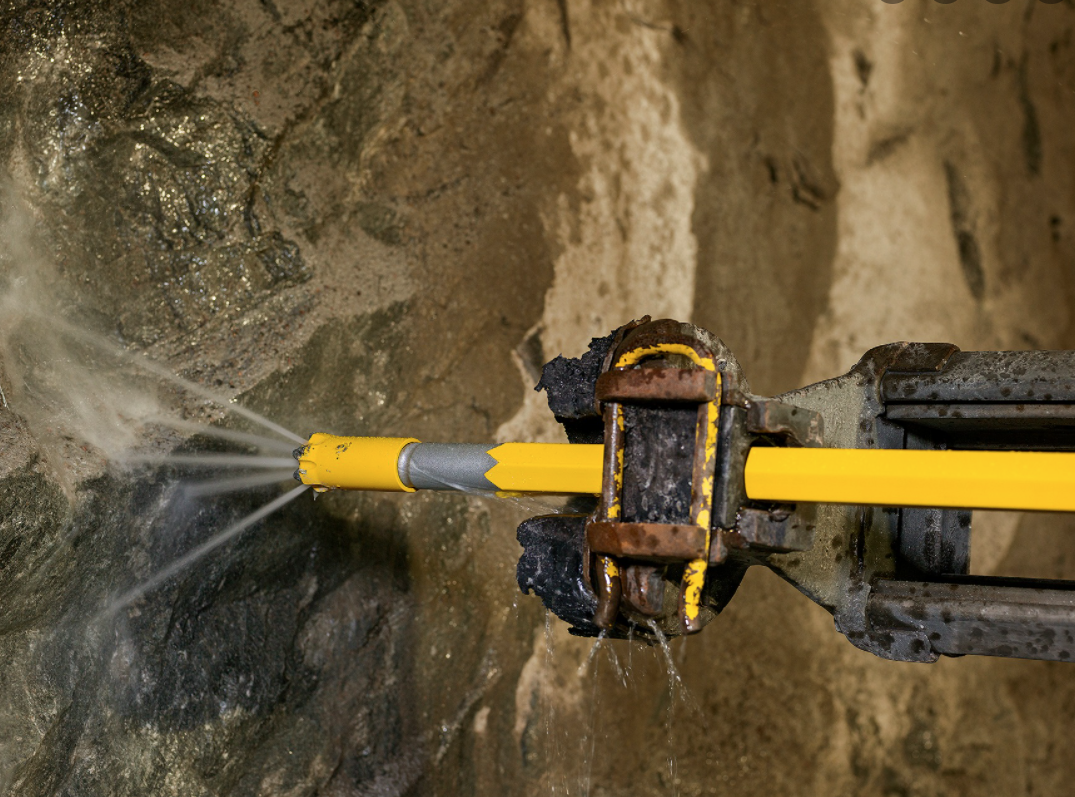
Mining operations depend heavily on the precision and durability of drilling equipment, with the thread button bit serving as one of the most critical components in rock drilling applications. These specialized tools combine threaded connections with button-tipped cutting surfaces to deliver superior performance in challenging mining environments. Understanding how to select the appropriate thread button bit can significantly impact drilling efficiency, operational costs, and overall project success. The right choice involves evaluating multiple technical factors including rock hardness, drilling depth requirements, and equipment compatibility. Modern mining operations require tools that can withstand extreme conditions while maintaining consistent performance throughout extended drilling cycles.
Understanding Thread Button Bit Construction and Design
Core Components and Materials
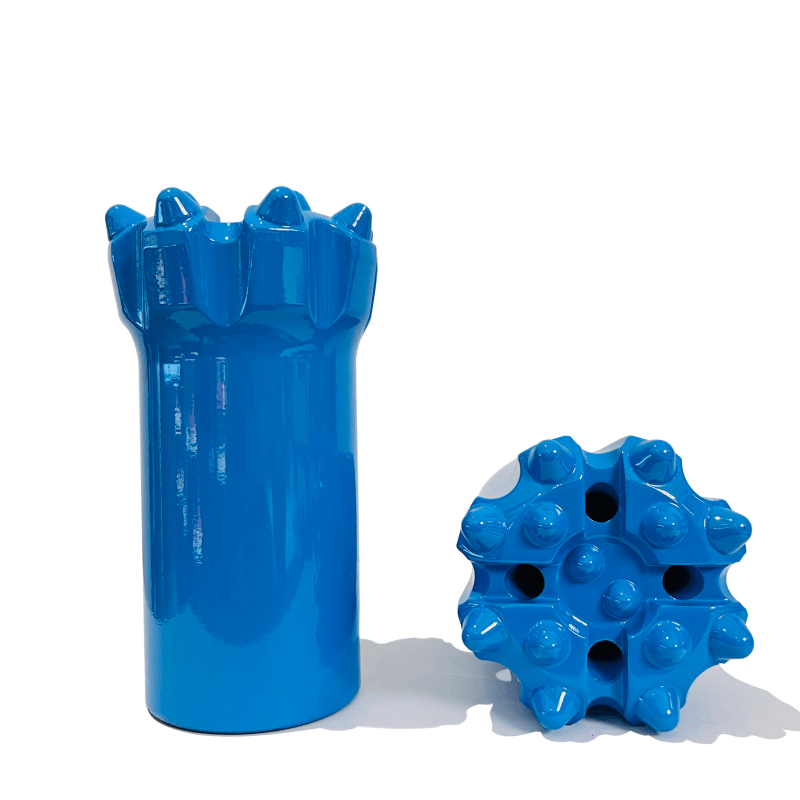
The thread button bit features a sophisticated design that integrates high-grade steel construction with strategically positioned tungsten carbide buttons. The threaded shank provides a secure mechanical connection to drilling rods, ensuring reliable power transmission during operation. Quality manufacturers utilize premium alloy steels that undergo specialized heat treatment processes to achieve optimal hardness and toughness balance. The button configuration varies depending on application requirements, with different patterns designed to optimize cutting efficiency and debris removal. Advanced metallurgical techniques ensure that each thread button bit maintains structural integrity under high-impact drilling conditions.
Manufacturing precision plays a crucial role in thread button bit performance, with tolerances measured in thousandths of inches to ensure proper fit and function. The threading system must meet strict dimensional standards to prevent premature wear or connection failure during drilling operations. Button placement follows carefully calculated patterns that maximize rock cutting effectiveness while minimizing tool wear. Surface treatments and coatings may be applied to enhance corrosion resistance and extend operational life in harsh mining environments. Quality control processes verify that each thread button bit meets stringent performance specifications before delivery to mining operations.
Threading Standards and Compatibility
Different threading standards exist within the mining industry, with common specifications including R25, R32, R38, T38, T45, and T51 configurations. Each threading system offers specific advantages in terms of connection strength, drilling capacity, and equipment compatibility. The R-series threads typically feature right-hand threading with standardized pitch and diameter specifications for universal compatibility. T-series threads provide enhanced torque transmission capabilities, making them suitable for heavy-duty drilling applications in hard rock formations. Understanding these threading standards helps mining professionals select the appropriate thread button bit for their specific equipment and operational requirements.
Thread engagement length significantly affects drilling performance and tool longevity, with proper engagement ensuring optimal load distribution across the connection interface. Insufficient thread engagement can lead to premature failure, while excessive engagement may cause binding or difficulty in tool changes. Mining operations must consider thread wear patterns and implement regular inspection protocols to maintain connection integrity. Compatibility between thread button bit specifications and existing drilling equipment prevents costly mismatches that could result in operational delays or equipment damage. Standardization of threading systems across mining operations simplifies inventory management and reduces the risk of compatibility errors during tool selection.
Rock Formation Analysis and Bit Selection Criteria
Hardness Classification and Drilling Challenges
Rock hardness directly influences thread button bit selection, with different formations requiring specific button configurations and steel grades. Soft to medium formations typically respond well to bits with larger, more widely spaced buttons that maximize penetration rates. Hard rock formations demand smaller, more densely packed buttons that can withstand high impact forces while maintaining cutting edge integrity. Extremely hard formations may require specialized thread button bit designs with enhanced carbide grades and optimized button geometries. Understanding rock classification systems helps mining professionals match bit specifications to formation characteristics for optimal drilling performance.
Abrasive rock formations present unique challenges that affect thread button bit wear patterns and operational life. Quartz-rich formations can cause rapid button wear, requiring bits with superior carbide grades and protective coatings. Clay-rich formations may cause bit balling, necessitating specialized button patterns that enhance debris removal. Fractured rock formations require thread button bit designs that can handle sudden load changes and maintain stability during drilling. Environmental factors such as water presence, temperature variations, and chemical composition also influence bit selection criteria and expected performance parameters.
Drilling Depth and Performance Requirements
Shallow drilling applications often prioritize penetration rate over tool longevity, allowing for more aggressive thread button bit designs with larger buttons and steeper face angles. Deep drilling operations require bits that maintain consistent performance throughout extended drilling cycles, emphasizing durability and wear resistance. The relationship between drilling depth and bit diameter affects hole stability and debris removal efficiency. Larger diameter bits provide better debris evacuation but require higher drilling forces and more robust thread connections. Mining operations must balance penetration rate requirements against tool life expectations to optimize drilling economics and operational efficiency.
Drilling pattern requirements influence thread button bit selection, with production drilling demanding different characteristics than exploration or development work. Production drilling typically emphasizes consistency and reliability over maximum penetration rates. Exploration drilling may require specialized thread button bit designs that provide good core recovery and minimal formation damage. Development drilling applications often require versatile bits that can handle varying rock conditions encountered in tunnel or shaft advancement. Understanding these application-specific requirements helps mining professionals select the most appropriate bit designs for their particular drilling objectives.
Technical Specifications and Performance Characteristics
Button Configuration and Cutting Geometry
Button arrangement on a thread button bit significantly impacts cutting efficiency, debris removal, and overall drilling performance. Face buttons provide the primary cutting action, with their size and positioning determining penetration characteristics. Gauge buttons maintain hole diameter and provide lateral stability during drilling operations. Peripheral buttons help break rock at the hole perimeter and assist in debris evacuation. The relationship between button types and their positioning creates a synergistic effect that optimizes overall cutting performance. Advanced button configurations may incorporate different carbide grades within a single thread button bit to address specific cutting and wear requirements.
Cutting face geometry influences how efficiently a thread button bit penetrates rock formations and removes drilling debris. Aggressive face angles provide higher penetration rates but may sacrifice tool life in hard formations. Conservative face angles offer better durability but potentially slower drilling progress in soft rock. The balance between cutting efficiency and tool longevity requires careful consideration of formation characteristics and operational objectives. Modern thread button bit designs often incorporate compound face angles that optimize performance across varying rock conditions. Computer modeling and field testing validate cutting geometry designs to ensure optimal performance in real-world mining applications.
Quality Standards and Manufacturing Specifications
International quality standards govern thread button bit manufacturing processes, ensuring consistent performance and reliability across different suppliers. ISO certifications verify that manufacturing facilities maintain appropriate quality control systems and testing protocols. Material specifications define minimum requirements for steel composition, heat treatment, and mechanical properties. Button quality standards address carbide grade selection, brazing procedures, and dimensional tolerances. Compliance with these standards provides mining operations with confidence in thread button bit performance and reliability. Regular auditing and certification renewal processes ensure ongoing compliance with evolving industry requirements.
Testing protocols validate thread button bit performance under controlled laboratory and field conditions. Impact testing evaluates button retention and bit integrity under high-stress drilling conditions. Wear testing assesses cutting performance and tool life expectations in various rock formations. Dimensional inspection verifies threading accuracy and overall bit geometry. Quality manufacturers maintain comprehensive testing records that document thread button bit performance characteristics and provide valuable data for application-specific recommendations. These testing protocols help ensure that each bit meets or exceeds specified performance requirements before delivery to mining operations.
Operational Considerations and Best Practices
Drilling Parameters and Equipment Compatibility
Optimal drilling parameters vary depending on thread button bit design, rock formation characteristics, and equipment capabilities. Rotation speed affects cutting efficiency and button wear patterns, with higher speeds generally providing better penetration in soft formations. Feed pressure influences penetration rate and bit loading, requiring careful adjustment to prevent premature wear or drilling equipment damage. Flush pressure and volume determine debris removal efficiency and bit cooling effectiveness. Proper parameter selection maximizes thread button bit performance while minimizing operational costs and equipment wear. Training programs help drilling operators understand the relationship between parameters and bit performance.
Equipment compatibility extends beyond simple threading specifications to include power requirements, feed mechanisms, and flushing systems. Hydraulic drilling rigs provide different operational characteristics compared to pneumatic systems, affecting optimal bit selection criteria. Rod handling systems must accommodate thread button bit dimensions and connection requirements. Flushing system capacity influences bit cooling and debris removal effectiveness. Modern drilling equipment often incorporates monitoring systems that track drilling parameters and provide real-time feedback on thread button bit performance. Understanding these compatibility factors helps mining operations optimize their drilling systems for maximum efficiency and productivity.
Maintenance and Inspection Protocols
Regular inspection of thread button bit condition helps identify wear patterns and potential performance issues before they affect drilling operations. Visual inspection checks for button damage, thread wear, and overall bit integrity. Dimensional measurement verifies that thread specifications remain within acceptable tolerances. Button protrusion measurement indicates wear progression and remaining tool life. Documentation of inspection results provides valuable data for optimizing bit selection and drilling parameters. Preventive maintenance programs help maximize thread button bit life and reduce unexpected drilling interruptions.
Proper storage and handling procedures protect thread button bit integrity during transportation and warehouse storage. Thread protection prevents damage during handling and storage. Clean, dry storage conditions minimize corrosion and contamination risks. Inventory rotation ensures that older stock is utilized before degradation occurs. Handling equipment appropriate for thread button bit weight and dimensions prevents damage during loading and installation. Training programs educate personnel on proper handling techniques and safety procedures. These practices help maintain bit quality from manufacture through final application in mining operations.
Cost Analysis and Economic Considerations
Initial Investment and Total Cost of Ownership
Thread button bit pricing reflects manufacturing quality, material specifications, and expected performance characteristics. Higher-quality bits typically command premium prices but may provide superior cost-per-meter performance in challenging applications. Initial cost analysis should consider not only purchase price but also expected drilling performance and operational life. Total cost of ownership includes bit cost, drilling time, labor expenses, and equipment utilization rates. Economic analysis helps mining operations identify the most cost-effective thread button bit options for their specific applications. Long-term performance data provides valuable insights for refining economic models and purchasing decisions.
Performance metrics such as meters drilled per bit, penetration rate, and drilling time directly impact operational economics. High-performance thread button bit designs may justify premium pricing through improved productivity and reduced drilling costs. Conversely, applications with less demanding requirements may benefit from more economical bit options that provide adequate performance at lower cost. Mining operations must balance performance requirements against budget constraints to optimize drilling economics. Comprehensive cost tracking systems help quantify the economic impact of different thread button bit choices and guide future purchasing decisions.
Supplier Evaluation and Procurement Strategies
Supplier evaluation encompasses manufacturing capabilities, quality control systems, technical support, and delivery reliability. Established suppliers with proven track records provide greater confidence in thread button bit performance and consistency. Manufacturing facility certifications and quality system documentation validate supplier capabilities. Technical support services help optimize bit selection and application parameters for specific mining conditions. Delivery reliability ensures that thread button bit availability meets operational scheduling requirements. Comprehensive supplier evaluation helps mining operations identify partners that provide optimal value and support for their drilling programs.
Procurement strategies may emphasize single-source relationships for consistency or multi-source approaches for cost competitiveness and supply security. Long-term agreements can provide pricing stability and guaranteed supply availability. Performance-based contracts align supplier incentives with mining operation objectives. Inventory management strategies balance carrying costs against stockout risks. Global sourcing options may provide cost advantages but require careful evaluation of quality, delivery, and support capabilities. Strategic procurement approaches help mining operations optimize thread button bit acquisition while minimizing supply chain risks and costs.
FAQ
What factors determine the appropriate thread button bit size for a specific mining application
Thread button bit size selection depends on hole diameter requirements, drilling equipment capabilities, rock formation characteristics, and operational objectives. Larger diameter bits provide better debris evacuation and faster drilling in soft formations but require more powerful equipment and higher operational costs. Smaller diameter bits offer better penetration in hard rock and lower power requirements but may have slower overall drilling rates. The threading system must match existing equipment specifications, with common sizes including R25, R32, R38, T38, T45, and T51. Mining operations should consider both immediate drilling requirements and long-term equipment compatibility when selecting thread button bit sizes.
How often should thread button bits be inspected and replaced during mining operations
Inspection frequency depends on drilling conditions, formation hardness, and operational intensity, with typical intervals ranging from daily checks to weekly comprehensive evaluations. Thread button bit replacement timing is determined by button wear, threading condition, and drilling performance degradation rather than fixed schedules. Visual inspection should occur at each shift change to identify obvious damage or excessive wear. Dimensional measurement of critical parameters should be performed regularly using appropriate gauges and measuring tools. Performance monitoring through penetration rate tracking helps identify when bit effectiveness begins to decline, indicating the need for replacement to maintain operational efficiency.
What are the key differences between R-series and T-series threading systems for button bits
R-series threading features right-hand threads with specific pitch and diameter combinations designed for lighter to medium-duty drilling applications. T-series threading incorporates larger diameter connections with different pitch specifications that provide superior torque transmission for heavy-duty drilling in hard rock formations. Thread engagement length varies between systems, affecting connection strength and load distribution characteristics. Tool steel requirements differ between threading systems due to varying stress concentrations and load patterns. Equipment compatibility is threading-system specific, requiring careful matching between thread button bit specifications and drilling equipment capabilities to ensure optimal performance and prevent connection failures.
How do environmental conditions affect thread button bit performance and selection criteria
Environmental factors including temperature extremes, water presence, chemical exposure, and atmospheric conditions significantly influence thread button bit performance and longevity. High-temperature environments may require special steel grades and heat treatment specifications to maintain mechanical properties. Water presence affects cooling and lubrication but may also contribute to corrosion if proper materials and coatings are not utilized. Chemical exposure from acidic or alkaline formations can accelerate bit degradation without appropriate protective measures. Atmospheric conditions such as altitude and humidity influence drilling equipment performance and may affect optimal thread button bit selection. Mining operations should evaluate environmental conditions comprehensively to select bits with appropriate material specifications and protective features for their specific operating conditions.

 EN
EN