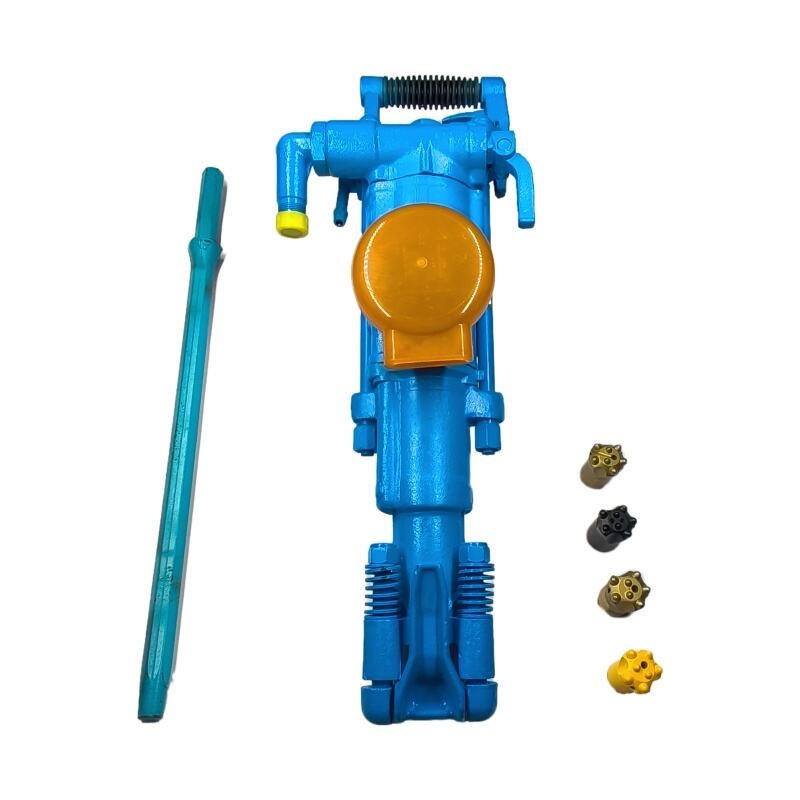
Selecting the right pneumatic hammer drill can significantly impact your construction, demolition, or mining operations. These powerful tools utilize compressed air to deliver high-impact strikes, making them essential equipment for breaking concrete, asphalt, rock, and other hard materials. Understanding the key specifications and features will help you make an informed decision that matches your specific application requirements and operational demands.
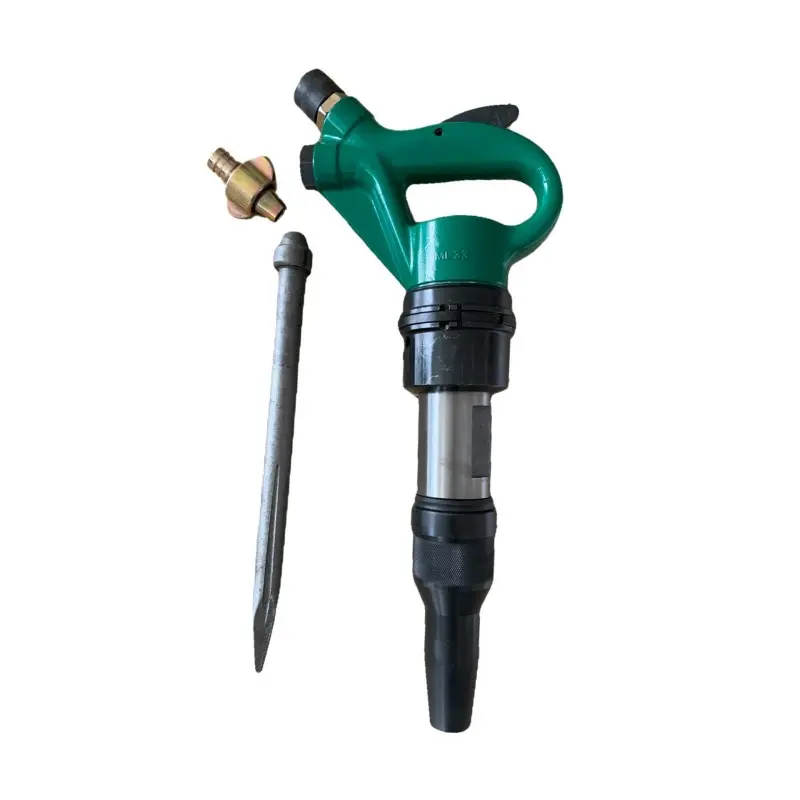
Modern pneumatic hammer drill technology has evolved to offer superior performance, durability, and user comfort compared to traditional electric models. These air-powered tools provide consistent power output regardless of ambient temperature conditions and eliminate the risk of electrical hazards in wet or hazardous environments. Professional contractors and industrial operators increasingly rely on pneumatic systems for their reliability and maintenance advantages.
The versatility of a pneumatic hammer drill extends across multiple industries, from road construction and building renovation to quarrying and underground mining operations. Each application presents unique challenges that require specific tool characteristics, such as impact energy, stroke frequency, and ergonomic design. Understanding these requirements before making a purchase decision ensures optimal productivity and operator satisfaction.
Understanding Pneumatic Hammer Drill Technology
Air Compressor System Requirements
The performance of any pneumatic hammer drill directly depends on the air compressor system that powers it. Most professional-grade tools require a minimum air pressure of 90 PSI and consume between 4 to 8 cubic feet per minute of compressed air. The compressor must maintain consistent pressure throughout extended operation periods to ensure optimal striking force and frequency.
Portable air compressors rated between 125 to 185 CFM typically support multiple pneumatic hammer drill units simultaneously. Industrial applications often utilize stationary compressor systems with receivers to maintain steady air pressure during peak demand periods. The air delivery system should include proper filtration and moisture separation to prevent internal tool damage and maintain performance reliability.
Air hose diameter and length significantly affect tool performance, with larger diameter hoses reducing pressure drop over extended distances. Most pneumatic hammer drill applications require minimum 3/8-inch internal diameter hoses for optimal air flow, while heavy-duty operations benefit from 1/2-inch diameter connections. Proper hose selection ensures consistent power delivery and prevents performance degradation.
Impact Mechanism Design
The internal mechanism of a pneumatic hammer drill converts compressed air pressure into rapid reciprocating motion through a precision-engineered piston system. The piston strikes an intermediate component called the striker, which then transfers impact energy to the tool bit or chisel attachment. This multi-stage energy transfer system maximizes impact force while minimizing vibration transmission to the operator.
Advanced pneumatic hammer drill designs incorporate anti-vibration technology through spring-loaded handles and shock-absorbing components. These features reduce operator fatigue during extended use and improve accuracy when performing precision demolition work. The striking mechanism typically operates at frequencies between 1,200 to 3,000 blows per minute, depending on the specific tool design and application requirements.
Internal lubrication systems ensure smooth operation and extend component life by reducing friction between moving parts. Automatic oiling mechanisms distribute lubricant throughout the striking assembly during operation, while manual lubrication points allow for periodic maintenance. Proper lubrication maintenance directly impacts tool longevity and performance consistency over time.
Key Selection Criteria for Professional Applications
Impact Energy and Performance Ratings
Impact energy, measured in foot-pounds or joules, represents the most critical performance specification for any pneumatic hammer drill selection. Light-duty applications typically require 10 to 25 foot-pounds of impact energy, while medium-duty work demands 25 to 50 foot-pounds. Heavy-duty demolition and mining operations necessitate impact energies exceeding 50 foot-pounds for efficient material removal.
The relationship between impact energy and material removal rate varies significantly based on the hardness and structure of the target material. Concrete breaking applications require different energy characteristics compared to asphalt removal or rock excavation. Higher impact energy generally translates to faster work completion but may increase operator fatigue and tool wear rates.
Stroke frequency complements impact energy to determine overall tool effectiveness, with optimal combinations varying by application. Fast stroke rates excel at surface scaling and finishing work, while slower, more powerful strokes prove superior for deep penetration applications. Understanding the balance between these parameters helps optimize tool selection for specific project requirements.
Tool Weight and Ergonomic Considerations
Operator comfort and safety considerations make tool weight a crucial selection factor for any pneumatic hammer drill purchase decision. Lightweight models ranging from 15 to 30 pounds suit overhead work and extended operation periods, while heavier tools delivering superior impact energy may limit operator endurance. The optimal weight balance depends on the specific application requirements and operator capabilities.
Ergonomic handle design significantly affects operator control and comfort during extended use periods. Rubber-coated grips with anti-slip texturing provide secure handling in dusty or wet conditions, while spring-loaded handles reduce vibration transmission. Adjustable handle positions accommodate different operator preferences and working angles for maximum comfort and control.
Side handle configurations offer improved stability and control during precision work, while rear-handle designs provide better leverage for heavy-duty applications. D-handle styles deliver superior control for vertical and overhead work positions. Selecting the appropriate handle configuration enhances operator safety and work quality while reducing fatigue-related errors.
Application-Specific Tool Features
Bit and Chisel Compatibility Systems
Modern pneumatic hammer drill designs accommodate various bit and chisel attachment systems to handle diverse material removal tasks. Hexagonal shank systems provide secure retention for standard demolition bits, while round shank designs offer compatibility with specialized cutting tools. Quick-change mechanisms reduce downtime during bit replacement and improve overall productivity.
Flat chisels excel at concrete surface removal and scaling applications, while pointed bits provide superior penetration for initial crack formation. Moil points concentrate impact energy for precise breaking applications, and bushing tools create controlled fracture patterns in stone and concrete. Selecting appropriate bit types optimizes material removal efficiency and extends tool life.
Heat-treated tool steel construction ensures bit durability under high-impact conditions, while carbide-tipped designs provide extended service life in abrasive materials. Proper bit selection and maintenance practices significantly affect both productivity and operating costs. Understanding bit compatibility ensures access to the full range of specialized attachments for specific applications.
Dust Control and Environmental Features
Integrated dust suppression systems have become increasingly important in pneumatic hammer drill design due to health and safety regulations. Water injection systems reduce airborne particles during concrete and masonry breaking operations, while vacuum attachment points enable connection to dust collection systems. These features protect operator health and improve visibility in enclosed work areas.
Noise reduction technologies incorporate muffler systems and sound-dampening materials to minimize operational noise levels. Lower noise output improves working conditions for operators and nearby personnel while enabling use in noise-sensitive environments. Some pneumatic hammer drill models achieve noise reductions of 5 to 10 decibels compared to standard designs.
Cold weather performance considerations include anti-freeze lubrication systems and materials selection for extreme temperature operation. Arctic-grade seals and lubricants maintain tool performance in sub-zero conditions, while heat-resistant components enable operation in high-temperature environments. Environmental adaptability extends the operational range and reliability of pneumatic systems.
Maintenance and Operational Considerations
Service Requirements and Component Access
Regular maintenance requirements for pneumatic hammer drill systems include daily lubrication, periodic seal replacement, and air filter servicing. Tool-free disassembly features simplify routine maintenance procedures and reduce downtime for cleaning and inspection. Accessible lubrication points and clearly marked service intervals help maintain optimal performance and extend component life.
Replacement parts availability directly affects long-term operational costs and tool reliability. Established manufacturers typically maintain comprehensive parts inventories and provide technical support for field servicing. Standard component designs enable cross-compatibility with multiple tool models, reducing parts inventory requirements for large fleets.
Field service capabilities include operator training programs and technical documentation to support proper tool operation and maintenance. Comprehensive service manuals with exploded diagrams and torque specifications enable in-house maintenance capabilities. Professional service networks provide specialized repair services for complex internal components and warranty coverage.
Cost Analysis and Return on Investment
Initial purchase cost represents only one component of total pneumatic hammer drill ownership expenses over the tool's operational life. Operating costs include compressed air consumption, maintenance parts, and potential productivity losses due to downtime. Higher-quality tools typically demonstrate superior long-term value through reduced maintenance requirements and extended service life.
Productivity improvements from selecting appropriate pneumatic hammer drill specifications can significantly impact project economics. Faster material removal rates reduce labor costs and project completion time, while improved reliability minimizes expensive delays. Calculating potential productivity gains helps justify premium tool features and capabilities.
Fleet standardization benefits include reduced training requirements, simplified parts inventory, and streamlined maintenance procedures. Selecting pneumatic hammer drill models from a single manufacturer or compatible product line reduces complexity and operating costs. Bulk purchasing arrangements often provide significant cost savings for large equipment acquisitions.
Safety Protocols and Operator Training
Personal Protective Equipment Requirements
Operating a pneumatic hammer drill requires comprehensive personal protective equipment to ensure operator safety during demolition and construction activities. Safety glasses or face shields protect against flying debris, while hearing protection prevents noise-induced damage from prolonged exposure. Hard hats shield operators from falling objects in construction environments.
Respiratory protection becomes essential when working in dusty conditions or confined spaces where airborne particles pose health risks. N95 or P100 rated masks filter harmful dust particles, while supplied-air systems provide protection in hazardous environments. Proper respiratory equipment selection depends on the specific materials being demolished and environmental conditions.
Hand and arm protection includes vibration-dampening gloves to reduce the effects of prolonged tool vibration exposure. Steel-toed boots protect feet from dropped tools or debris, while cut-resistant clothing provides additional protection in industrial environments. Complete protective equipment systems ensure operator safety and regulatory compliance across all applications.
Operational Safety Procedures
Pre-operation safety checks include inspecting air hoses for damage, verifying proper tool lubrication, and ensuring secure bit installation. Operators should test air pressure settings and confirm proper tool operation before beginning work activities. Regular safety inspections prevent equipment failures and potential injury incidents.
Work area preparation involves identifying underground utilities, establishing safe work zones, and ensuring adequate ventilation in enclosed spaces. Proper lighting and clear access routes reduce accident risks during pneumatic hammer drill operations. Communication protocols coordinate activities when multiple operators work in proximity.
Emergency procedures include immediate tool shutdown protocols, first aid response plans, and equipment isolation procedures. Operators should understand proper techniques for handling tool malfunctions and unexpected material behavior. Regular safety training updates ensure operators remain current with best practices and regulatory requirements.
FAQ
What air pressure requirements should I consider for pneumatic hammer drill operation
Most pneumatic hammer drill models require minimum operating pressure between 90 to 125 PSI for optimal performance. The air compressor should maintain consistent pressure throughout operation periods, with capacity ratings typically ranging from 4 to 8 CFM per tool. Higher pressure settings may improve impact energy but can increase air consumption and operating costs. Always consult manufacturer specifications for exact pressure requirements and avoid exceeding maximum ratings to prevent damage.
How do I determine the appropriate impact energy for my specific application
Impact energy selection depends on material hardness, thickness, and required precision level for your pneumatic hammer drill applications. Light-duty concrete work typically requires 10-25 foot-pounds, while heavy demolition may need 50+ foot-pounds of impact energy. Consider material removal rate requirements, operator fatigue factors, and tool weight limitations when selecting impact energy specifications. Testing different energy levels on sample materials helps optimize tool selection for specific projects.
What maintenance schedule should I follow to maximize pneumatic hammer drill lifespan
Daily maintenance includes checking air pressure, lubricating designated points, and inspecting air hoses for damage or wear. Weekly procedures involve cleaning air filters, checking tool bit condition, and verifying proper operation of all safety features. Monthly maintenance includes internal inspection, seal condition assessment, and replacement of consumable components as needed. Following manufacturer recommended schedules prevents premature wear and maintains optimal performance.
Can pneumatic hammer drill systems operate effectively in extreme temperature conditions
Modern pneumatic hammer drill designs accommodate temperature ranges from -20°F to 120°F with appropriate lubrication and component selection. Cold weather operation requires anti-freeze lubricants and may reduce air compressor efficiency, affecting tool performance. Hot weather conditions can increase air consumption and require more frequent lubrication intervals. Specialized arctic or high-temperature models provide enhanced performance in extreme conditions with appropriate material specifications and sealing systems.

 EN
EN