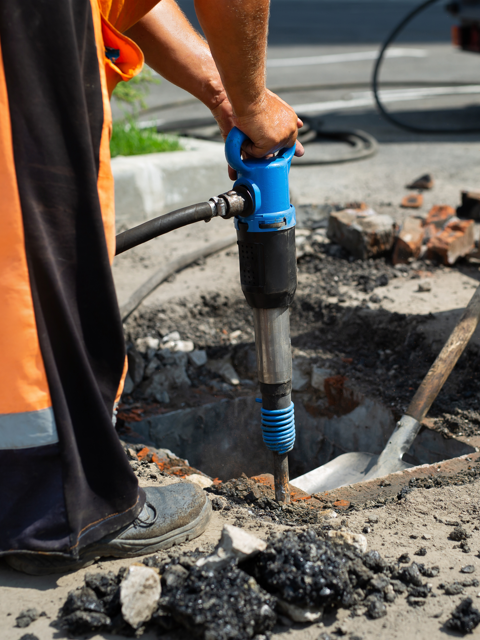
Construction and demolition projects require powerful, reliable equipment to handle demanding applications efficiently. A pneumatic breaker serves as an essential tool for breaking concrete, asphalt, and other hard materials in various industrial settings. Understanding the key features, specifications, and selection criteria helps contractors make informed decisions when investing in this critical equipment. Professional contractors rely on pneumatic breaker technology to complete projects safely and within budget constraints.
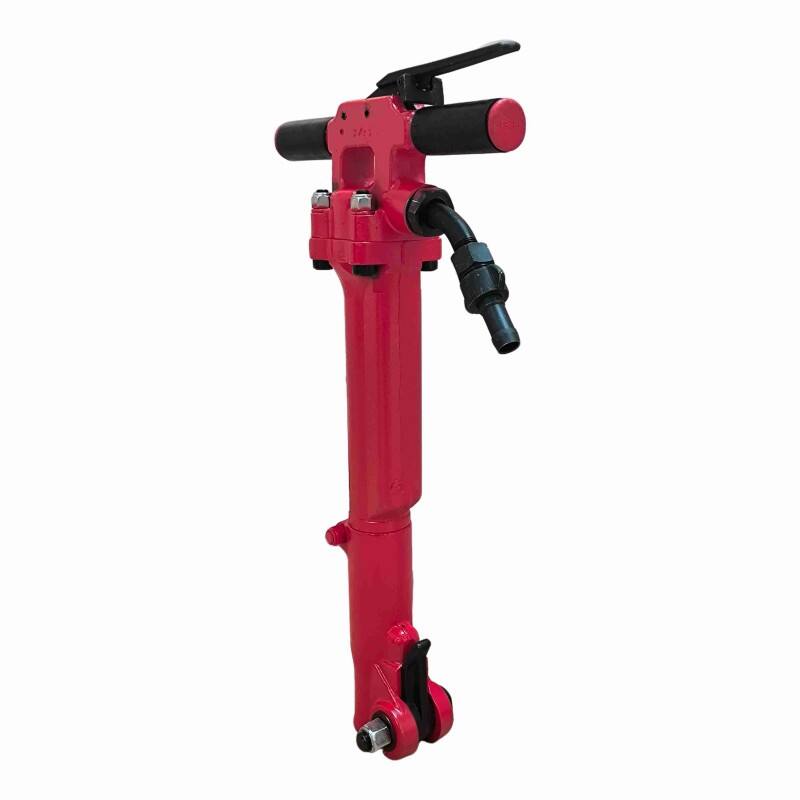
The construction industry demands equipment that delivers consistent performance across diverse working conditions. Modern pneumatic breaker systems incorporate advanced engineering principles to maximize impact energy while minimizing operator fatigue. These tools have evolved significantly from earlier models, offering improved durability, enhanced safety features, and superior operational efficiency. Selecting the right pneumatic breaker requires careful consideration of multiple technical and practical factors.
A pneumatic breaker operates using compressed air to generate high-impact forces through a precision-engineered piston system. The compressed air enters the cylinder chamber, driving a heavy-duty piston that strikes the tool steel with tremendous force. This repetitive impact action creates the breaking power necessary to fracture concrete, asphalt, and similar materials. The internal mechanism includes sophisticated valve systems that control air flow direction and timing for optimal performance.
The frequency and intensity of impacts determine the effectiveness of any pneumatic breaker in specific applications. Advanced models feature variable impact control systems that allow operators to adjust breaking force according to material density and project requirements. Understanding these operating principles helps contractors evaluate different models and select equipment that matches their specific operational needs. Proper maintenance of internal components ensures consistent performance throughout the equipment lifecycle.
Compressed air systems provide the power source for pneumatic breaker operations, requiring specific pressure and volume specifications for optimal performance. Most industrial-grade units operate efficiently within pressure ranges of 90 to 120 PSI, though some heavy-duty models require higher pressure levels. Air compressor capacity must match or exceed the pneumatic breaker consumption rate to maintain consistent breaking power throughout extended operation periods.
Air quality significantly impacts pneumatic breaker performance and longevity, making proper filtration systems essential for professional applications. Moisture, oil contamination, and particulate matter can damage internal components and reduce operational efficiency. Regular air system maintenance, including proper lubrication and filter replacement, ensures reliable performance and extends equipment service life. Contractors should invest in high-quality air treatment systems when using pneumatic breaker equipment regularly.
Impact energy represents the most critical performance specification when selecting a pneumatic breaker for construction projects. This measurement, typically expressed in foot-pounds or joules, indicates the tool's ability to fracture different materials effectively. Higher impact energy ratings enable faster material removal and improved productivity in demanding applications. However, excessive impact force can cause operator fatigue and may damage sensitive structures in precision demolition work.
Breaking force requirements vary significantly depending on material type, thickness, and structural characteristics. Reinforced concrete typically requires higher impact energy compared to standard asphalt or masonry materials. Professional contractors evaluate project specifications carefully to determine appropriate impact energy levels for specific applications. Selecting a pneumatic breaker with adjustable impact settings provides versatility across diverse project requirements.
Operator comfort and safety depend heavily on pneumatic breaker weight distribution and ergonomic design features. Lighter models reduce operator fatigue during extended use periods, while heavier units typically deliver greater breaking force for demanding applications. The optimal weight balance varies according to project duration, material hardness, and operator physical capabilities. Modern designs incorporate vibration dampening systems and ergonomic handles to minimize user fatigue.
Anti-vibration technology has become increasingly important in pneumatic breaker design, addressing occupational health concerns related to prolonged tool use. Advanced models feature sophisticated dampening systems that significantly reduce transmitted vibration levels without compromising breaking performance. These safety features help prevent hand-arm vibration syndrome and other occupational injuries associated with pneumatic tool operation. Contractors should prioritize ergonomic features when selecting equipment for frequent or extended use applications.
Concrete demolition represents one of the most common applications for pneumatic breaker equipment in construction projects. Different concrete compositions and reinforcement patterns require specific impact characteristics for efficient material removal. Standard residential concrete typically requires moderate impact energy, while commercial-grade reinforced structures demand higher-powered pneumatic breaker models. Understanding concrete specifications helps contractors select appropriate equipment for specific demolition tasks.
Reinforced concrete presents unique challenges due to steel rebar integration within the concrete matrix. A properly selected pneumatic breaker must generate sufficient impact force to fracture concrete while allowing for rebar cutting or removal. Some applications may require specialized tool steels designed for mixed-material breaking operations. Professional contractors often maintain multiple pneumatic breaker configurations to handle various concrete types encountered in typical construction projects.
Asphalt removal and road maintenance projects require pneumatic breaker models optimized for flexible pavement materials. Unlike concrete, asphalt exhibits different fracture characteristics due to bituminous binding agents and aggregate composition. Temperature conditions significantly affect asphalt hardness, with cold weather increasing material brittleness and summer heat creating softer, more flexible conditions. Pneumatic breaker selection must account for these seasonal variations in material properties.
Paving contractors frequently utilize pneumatic breaker equipment for spot repairs, utility cuts, and complete roadway reconstruction projects. These applications often require precise control to avoid damage to underlying base materials or adjacent pavement sections. Variable impact control features allow operators to adjust breaking force according to specific paving conditions and project requirements. Proper tool steel selection ensures efficient asphalt removal while minimizing equipment wear in abrasive applications.
Regular maintenance schedules significantly impact pneumatic breaker performance, reliability, and operational cost over the equipment lifecycle. Daily inspection routines should include air system checks, lubrication verification, and visual examination of external components for wear or damage. Proper lubrication prevents internal component seizure and reduces friction-related wear in high-stress operating environments. Following manufacturer-recommended maintenance intervals ensures optimal performance and warranty compliance.
Internal component inspection requires periodic disassembly by qualified service technicians to evaluate wear patterns and replace consumable parts. Piston rings, valve assemblies, and sealing components experience normal wear during operation and require scheduled replacement to maintain performance standards. Professional maintenance services can identify potential issues before they result in equipment failure or safety hazards. Comprehensive maintenance records help track operating costs and plan equipment replacement schedules.
Tool steel represents the most frequently replaced component in pneumatic breaker operations due to direct contact with abrasive materials. High-quality tool steels manufactured from premium alloys provide extended service life and consistent breaking performance. Different point configurations are available for specific applications, including chisel points for concrete work and flat tools for asphalt applications. Maintaining an adequate inventory of replacement tool steels minimizes project downtime and ensures continuous productivity.
Internal pneumatic breaker components typically require replacement at scheduled intervals depending on operating conditions and usage intensity. Seals, gaskets, and valve components should be replaced using genuine manufacturer parts to ensure proper fit and performance. Aftermarket components may offer cost savings but can compromise performance, safety, and warranty coverage. Professional contractors often establish service agreements with equipment suppliers to ensure reliable parts availability and technical support.
Modern pneumatic breaker designs incorporate multiple safety features to protect operators from injury during normal operations. Anti-vibration systems reduce transmitted vibration levels to comply with occupational health standards and prevent long-term injury. Ergonomic handle designs distribute forces evenly across operator hands and arms, reducing localized stress concentrations. Safety trigger mechanisms prevent accidental activation and provide positive control over tool operation.
Personal protective equipment remains essential when operating pneumatic breaker equipment, regardless of built-in safety features. Safety glasses, hearing protection, and appropriate work gloves help prevent injury from flying debris and excessive noise exposure. Steel-toed boots provide foot protection from dropped equipment or falling debris during demolition operations. Proper training ensures operators understand safety protocols and emergency procedures for their specific pneumatic breaker model.
Dust control measures become critical when using pneumatic breaker equipment in enclosed or occupied areas. Water suppression systems can significantly reduce airborne particulates during concrete and masonry breaking operations. Some applications may require specialized vacuum systems to capture dust and debris at the source. Environmental regulations may mandate specific dust control procedures for projects near sensitive areas or occupied buildings.
Noise control considerations affect pneumatic breaker selection for projects in urban environments or noise-sensitive locations. Sound dampening features and operational scheduling can help minimize community impact while maintaining project productivity. Some jurisdictions impose specific noise level restrictions that may limit pneumatic breaker operating hours or require acoustic barriers. Understanding local regulations helps contractors plan projects appropriately and avoid potential compliance issues.
Pneumatic breaker pricing varies significantly based on impact energy, build quality, and included features. Entry-level models may offer basic functionality at lower initial costs but may lack durability and advanced safety features required for professional applications. Premium models typically provide superior performance, extended service life, and comprehensive warranty coverage that reduces long-term ownership costs. Contractors should evaluate total cost of ownership rather than focusing solely on initial purchase price.
Financing options and equipment leasing programs can help contractors access high-quality pneumatic breaker equipment without significant upfront capital investment. Lease agreements often include maintenance packages and equipment replacement options that provide predictable operating costs. Some suppliers offer rental programs for occasional use applications where equipment purchase may not be economically justified. Careful financial analysis helps determine the most cost-effective acquisition strategy for specific business needs.
Operating expenses include air compressor fuel costs, maintenance supplies, replacement parts, and operator wages during pneumatic breaker operations. Fuel-efficient air compressor systems can significantly reduce hourly operating costs, especially for extended projects or remote locations without electrical power access. High-efficiency pneumatic breaker models require less air volume per impact, reducing compressor load and fuel consumption. These efficiency gains accumulate over time to provide substantial cost savings.
Labor productivity improvements often justify premium pneumatic breaker investments through reduced project completion times and lower labor costs. Faster material removal rates translate directly into reduced labor hours and improved project profitability. Reduced operator fatigue from ergonomic designs can maintain productivity levels throughout full work shifts. Reliability improvements minimize equipment downtime that can cause costly project delays and schedule disruptions.
Air compressor requirements depend on the specific pneumatic breaker model and intended application intensity. Most professional-grade units require compressors capable of delivering 90-150 CFM at operating pressure levels between 90-120 PSI. Larger pneumatic breaker models with higher impact energy ratings typically demand greater air volume and pressure specifications. Contractors should verify manufacturer recommendations and consider multiple tool operations when sizing air compressor systems.
Tool steel replacement frequency varies based on material hardness, operator technique, and steel quality. Typical replacement intervals range from 8-40 operating hours depending on application conditions and steel grade. Concrete work generally requires more frequent replacement compared to asphalt applications due to higher abrasiveness. Visual inspection of tool steel condition helps determine optimal replacement timing to maintain breaking efficiency and prevent equipment damage.
Modern pneumatic breaker models with variable impact control can perform precision demolition tasks when operated by experienced professionals. Adjustable impact settings allow operators to modify breaking force according to material thickness and proximity to sensitive structures. Specialized tool steel configurations provide improved control for delicate removal operations. However, some applications may require alternative demolition methods for maximum precision and damage prevention.
Professional pneumatic breaker maintenance should include daily lubrication checks, weekly air system inspection, and monthly detailed component examination. Internal service intervals typically range from 100-500 operating hours depending on usage intensity and environmental conditions. Manufacturer service schedules provide specific recommendations for seal replacement, valve adjustment, and major component overhaul. Consistent maintenance documentation helps optimize service timing and warranty compliance.
 EN
EN