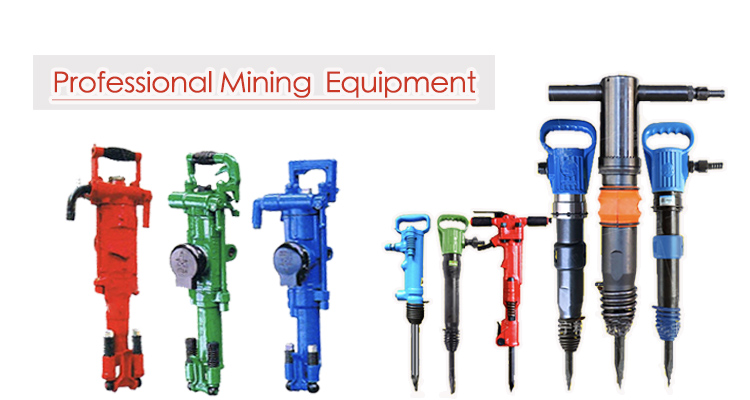
Working with a pneumatic jack hammer requires strict adherence to safety protocols to prevent serious injuries and ensure optimal performance. These powerful tools, commonly used in construction, demolition, and mining operations, generate significant force and vibration that can pose various risks to operators and nearby personnel. Understanding proper safety procedures is essential for anyone operating or working around these heavy-duty pneumatic tools. Professional contractors and industrial workers must prioritize safety training and equipment maintenance to minimize workplace accidents and maximize productivity when using pneumatic jack hammer equipment.
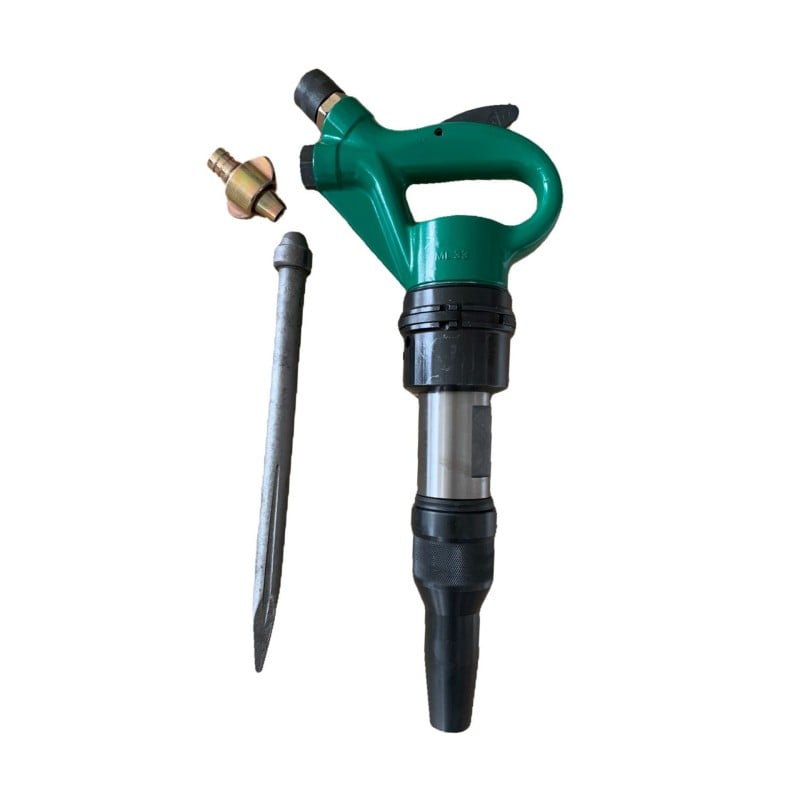
Essential Personal Protective Equipment for Pneumatic Jack Hammer Operations
Head and Eye Protection Requirements
Operators must wear approved safety helmets designed to protect against falling debris and impact hazards when using a pneumatic jack hammer. The helmet should meet ANSI standards and include a secure chin strap to prevent displacement during operation. Safety glasses or face shields provide crucial protection against flying particles and dust generated during breaking operations. Anti-fog coatings on protective eyewear help maintain clear vision throughout extended work periods, ensuring operators can safely guide the pneumatic jack hammer while maintaining visual awareness of their surroundings.
Full-face respirators may be necessary in environments with excessive dust or harmful particles. These protective devices should be properly fitted and regularly inspected to ensure effective filtration. Workers should receive training on proper donning and doffing procedures to maintain the protective seal and prevent contamination exposure during pneumatic jack hammer operations.
Hearing Conservation and Body Protection
Noise-induced hearing loss represents a significant occupational hazard when operating pneumatic jack hammer equipment. Workers must use appropriate hearing protection, including earplugs or noise-canceling headphones rated for the specific decibel levels produced by their equipment. Regular audiometric testing helps identify early signs of hearing damage and ensures protective measures remain effective over time.
Heavy-duty work gloves provide essential protection against vibration, cuts, and abrasions while maintaining sufficient dexterity for safe tool operation. Anti-vibration gloves specifically designed for pneumatic tool use help reduce the transmission of harmful vibrations to the hands and arms. Steel-toed safety boots with slip-resistant soles protect feet from falling objects and provide stable footing on uneven surfaces encountered during pneumatic jack hammer work.
Pre-Operation Inspection and Equipment Maintenance
Daily Safety Checklist Procedures
Before operating any pneumatic jack hammer, workers must conduct thorough pre-use inspections to identify potential safety hazards or mechanical issues. This inspection process should include checking air hose connections for leaks, cracks, or damage that could result in sudden pressure loss or whipping hazards. All fittings and couplings must be properly secured and free from excessive wear or corrosion that might compromise their integrity during operation.
The pneumatic jack hammer body requires careful examination for visible damage, including cracks in the housing or loose components that could create safety risks. Operators should verify that all safety guards and protective devices are properly installed and functioning correctly. Tool bits must be inspected for proper installation, appropriate length, and freedom from excessive wear or damage that could affect performance or safety during use.
Air Compressor and Pressure System Safety
Proper air compressor operation is crucial for safe pneumatic jack hammer use, requiring regular monitoring of pressure levels and system components. Operators must verify that pressure relief valves function correctly and that all gauges provide accurate readings within the manufacturer's specified operating ranges. Excessive pressure can cause tool malfunction or failure, while insufficient pressure may result in poor performance and increased operator fatigue.
Air filtration systems require regular maintenance to prevent moisture and contaminants from entering the pneumatic jack hammer mechanism. Water separators and filters should be drained and cleaned according to manufacturer specifications to ensure clean, dry air reaches the tool. Contaminated air can cause premature wear, reduced performance, and potential safety hazards during operation.
Safe Operating Techniques and Best Practices
Proper Body Positioning and Ergonomics
Maintaining proper body positioning while operating a pneumatic jack hammer significantly reduces the risk of musculoskeletal injuries and operator fatigue. Workers should maintain a stable, balanced stance with feet shoulder-width apart and knees slightly bent to absorb vibrations and maintain control. The operator's grip should be firm but relaxed, allowing the tool's weight and pneumatic pressure to perform the work rather than forcing the equipment through excessive physical effort.
Avoiding awkward postures and overreaching helps prevent strain injuries and maintains better control over the pneumatic jack hammer during operation. Operators should position themselves to work within their natural range of motion and take frequent breaks to prevent cumulative stress on joints and muscles. Rotating work assignments among team members helps distribute exposure to vibration and physical demands associated with prolonged pneumatic jack hammer use.
Environmental Hazard Assessment
Work site evaluation is essential before beginning pneumatic jack hammer operations to identify potential environmental hazards that could affect safety. Underground utilities, including electrical lines, gas pipes, and water mains, must be located and clearly marked to prevent accidental damage during breaking operations. Contact with buried utilities can result in serious injuries, service disruptions, and expensive repairs that impact project timelines and costs.
Weather conditions significantly impact pneumatic jack hammer safety, particularly in outdoor environments where wet or icy surfaces increase slip and fall risks. Wind conditions can affect operator stability and control, while extreme temperatures may impact equipment performance and operator comfort. Adequate lighting is essential for safe operation, ensuring operators can clearly see their work area and identify potential hazards around the pneumatic jack hammer work zone.
Vibration Management and Health Considerations
Understanding Hand-Arm Vibration Syndrome
Prolonged exposure to vibration from pneumatic jack hammer operation can lead to Hand-Arm Vibration Syndrome, a serious occupational health condition affecting circulation and nerve function in the hands and arms. Early symptoms include tingling, numbness, and reduced grip strength that can progress to permanent disability if exposure continues without proper protective measures. Employers must implement exposure monitoring programs to track cumulative vibration exposure and ensure compliance with occupational health standards.
Regular health surveillance helps identify early signs of vibration-related injuries before they become permanent or disabling. Workers should be educated about HAVS symptoms and encouraged to report any concerns promptly to occupational health professionals. Job rotation, exposure limits, and appropriate rest periods help minimize vibration exposure while maintaining productive pneumatic jack hammer operations.
Implementing Vibration Control Measures
Modern pneumatic jack hammer designs incorporate various vibration reduction technologies to minimize operator exposure while maintaining tool performance. Anti-vibration handles, dampening systems, and ergonomic grips help reduce the transmission of harmful vibrations to the operator's hands and arms. Regular maintenance of these systems ensures continued effectiveness and optimal protection during pneumatic jack hammer operations.
Work scheduling should limit continuous pneumatic jack hammer operation to prevent excessive vibration exposure. Implementing mandatory break periods and rotating workers between different tasks helps manage cumulative exposure levels. When possible, alternative methods or equipment should be considered for tasks that require extended breaking operations to minimize overall vibration exposure in the workplace.
Emergency Procedures and Incident Response
Immediate Response to Equipment Malfunctions
When a pneumatic jack hammer malfunctions during operation, immediate shutdown procedures must be followed to prevent injury and equipment damage. Operators should immediately release the trigger and disconnect the air supply to stop tool operation. The work area should be secured and cleared of personnel while the equipment is inspected for damage or safety hazards that require professional repair or replacement.
Emergency shut-off procedures should be clearly posted and regularly practiced to ensure rapid response during critical situations. All workers in the area must understand the location and operation of emergency air supply shut-offs and communication protocols for summoning assistance. Proper incident documentation helps identify recurring issues and implement preventive measures for future pneumatic jack hammer operations.
First Aid and Medical Emergency Protocols
Comprehensive first aid training prepares workers to respond effectively to injuries that may occur during pneumatic jack hammer operations. Common injuries include cuts, bruises, eye injuries from flying debris, and acute back strain from improper lifting or tool handling. Immediate first aid response can significantly reduce the severity of injuries and improve recovery outcomes for affected workers.
On-site medical emergency plans should include clear procedures for contacting emergency medical services and providing access for emergency responders. First aid supplies specifically suited to pneumatic jack hammer work environments should be readily available and regularly inspected to ensure completeness and freshness. All workers should know the location of first aid stations and emergency contact information for their specific work site.
FAQ
What personal protective equipment is required when operating a pneumatic jack hammer?
Essential PPE includes an ANSI-approved safety helmet, safety glasses or face shield, hearing protection rated for high noise levels, anti-vibration gloves, steel-toed safety boots, and respiratory protection when working in dusty conditions. All protective equipment must be properly fitted, regularly inspected, and replaced when damaged or worn to ensure continued effectiveness during pneumatic jack hammer operations.
How often should pneumatic jack hammer equipment be inspected for safety?
Daily pre-use inspections are mandatory before operating any pneumatic jack hammer, including checks of air hoses, connections, tool bits, and safety systems. More comprehensive weekly inspections should examine internal components, pressure systems, and protective devices. Annual professional inspections and maintenance help ensure long-term safety and optimal performance of pneumatic jack hammer equipment.
What are the maximum safe exposure limits for pneumatic jack hammer vibration?
Occupational safety standards typically limit daily vibration exposure to prevent Hand-Arm Vibration Syndrome. The specific limits depend on vibration magnitude and frequency, but generally range from 2-8 hours maximum exposure per day. Employers must monitor exposure levels, provide appropriate protective equipment, and implement job rotation to keep workers within safe exposure limits during pneumatic jack hammer operations.
How can operators minimize noise exposure when using pneumatic jack hammers?
Noise reduction strategies include using properly rated hearing protection, maintaining equipment to minimize excessive noise, implementing quiet hours when possible, and rotating workers to limit individual exposure time. Sound barriers and enclosures can help reduce noise transmission to surrounding areas. Regular audiometric testing helps monitor hearing health and ensure protective measures remain effective for pneumatic jack hammer operators.

 EN
EN